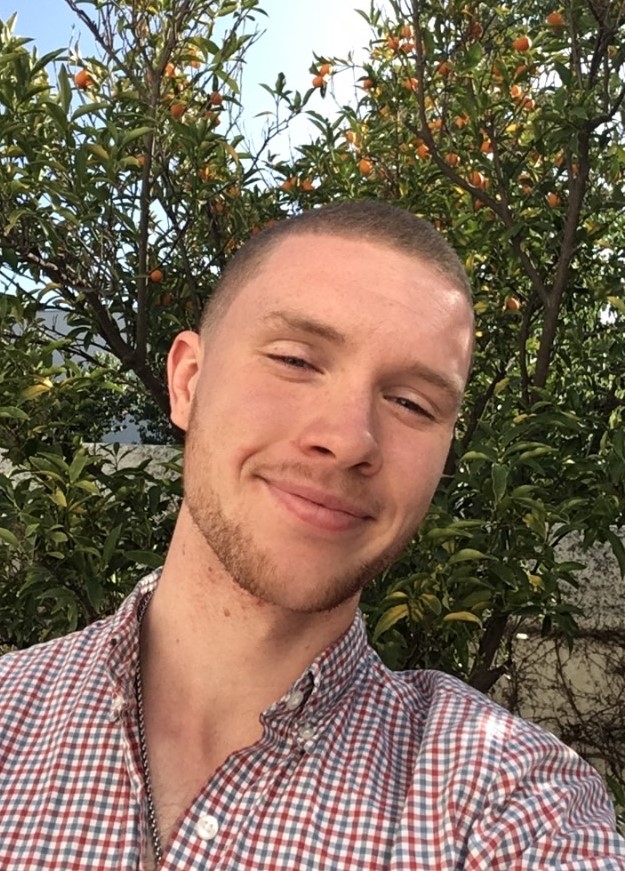
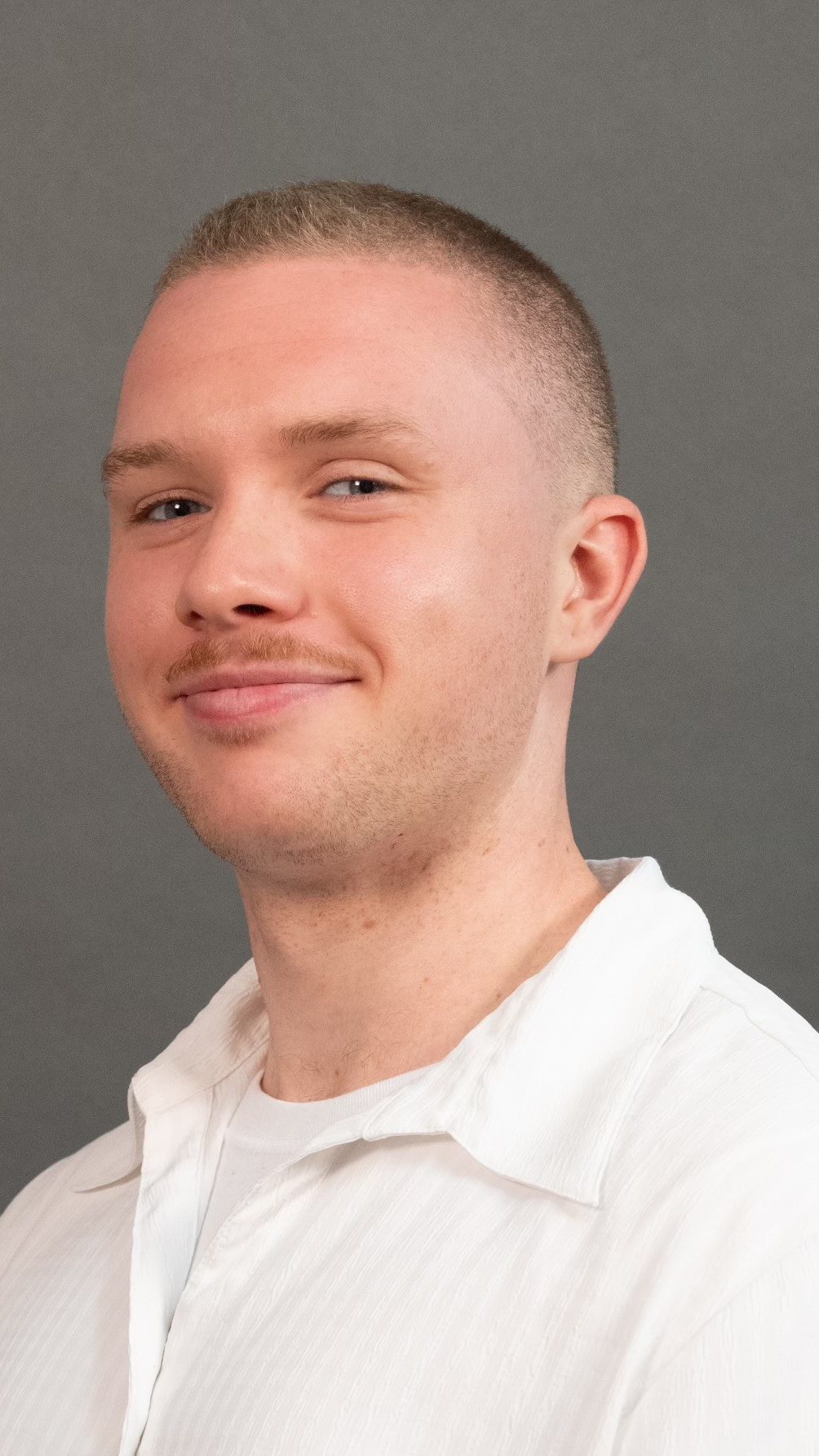
For the next year-and-a-half, I am a student in a data journalism master’s degree program at the University of Maryland, a part-time Naloxone trainer, and a freelance journalist working with Delaware Public Media and NPR.
Like many early career journalists, I have already bounced around a bit. I finished my undergraduate degree four months after lockdowns began in 2020; a public radio internship I hoped would occupy my first summer post-graduation disappeared, and I instead returned to my hometown, Seattle.
I was hungry for journalism work, but I did not have nearly enough published work to land a bona fide newsroom job – I spent too much time buried in archives as an undergraduate to set myself up for an easy landing.
In the years that followed, I have worked hard to catch up.
With the help of a savvy fixer, I began arranging interviews with Seattle-area drug dealers who were relying on their illicit income after losing their jobs – generally in the hospitality industry – at the beginning of the pandemic. I built one of those interviews into a feature for a small neighborhood newspaper in South Seattle, and in doing so caught the attention of Erica C. Barnett, the editor of the small Seattle political news outlet PubliCola and a relatively famous (or infamous) figure in Northwest journalism world.
Barnett hired me to cover Seattle’s police oversight system at the height of the protests that followed the killing of George Floyd.
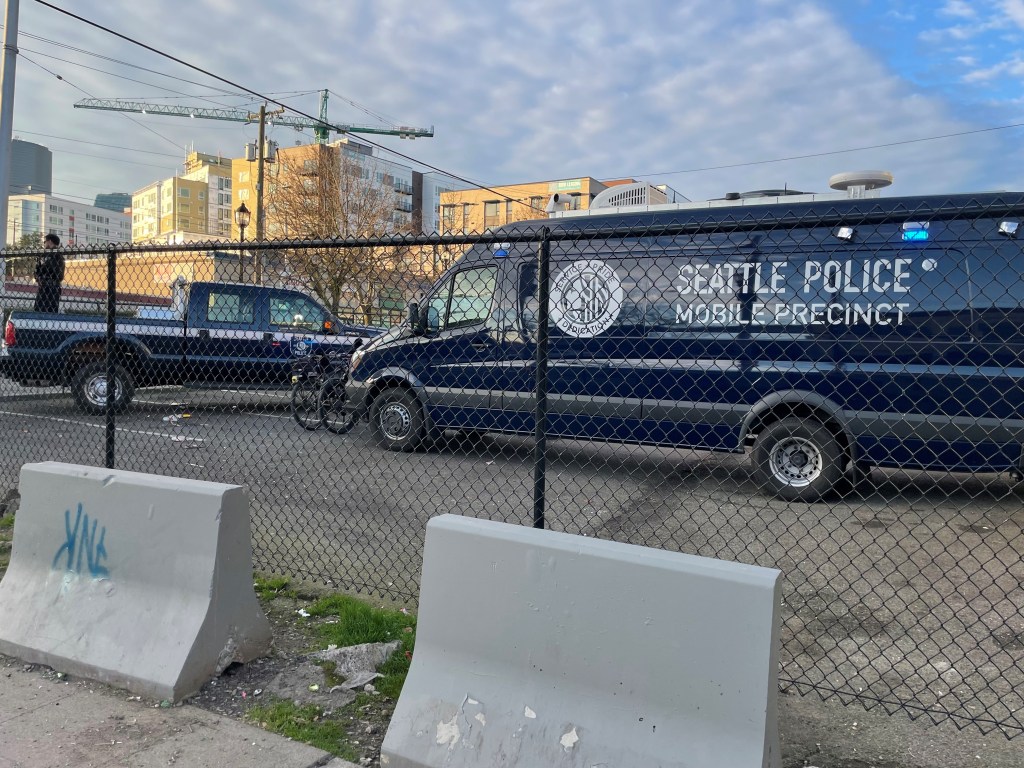
To my surprise, I discovered that I was perfectly capable of keeping up with far more experienced reporters on a beat at the center of the city’s attention. While PubliCola is tiny, its core readership includes a significant portion of Seattle’s City Council, city staffers, judges and public defenders, giving me leverage to build sources in high places.
My eagerness to expand my beat also paid dividends. At the time, few outlets in Washington paid attention to the state’s Department of Corrections, and by passing my number to inmates at three different prisons, I was able to cover the shortage of work release options for women and the impacts of a record heatwave on inmates long before those subjects received attention from larger competitors.
In August 2021, I got a call from the lead public defender in Omak, Washington – an isolated orchard and forestry town near the Canadian border. She was looking for a reporter who could untangle the story of a local sheriff’s detective accused of sexually harassing or assaulting at least two women whose histories of addiction made them vulnerable to abuse. After asking around among Washington public defenders, she found me. In the month after we published our investigation, both the detective and a deputy county prosecutor quietly turned in their resignations.
After two years with PubliCola, personal matters brought me to the east coast, where I joined Delaware Public Media as the station’s state politics reporter.
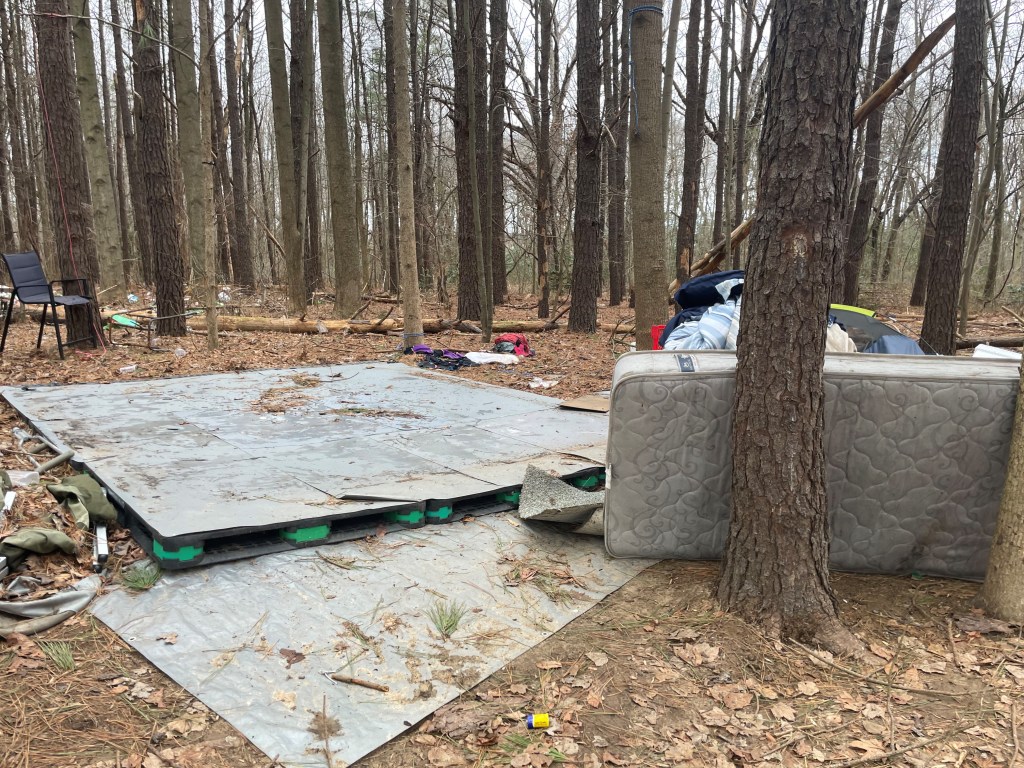
It doesn’t take long to learn to navigate Delaware’s legislative hall – it’s the smallest of its kind in the country. I soon found a niche as the state’s most active housing and addiction reporting, spending my weekends in rural homeless encampments, my nights in small town council meetings and my days attempting to simplify the workings of rental subsidy programs for our listening audience.
After enough time spent in small town council meetings, it would be hard not to stumble across a thread worth pulling. A passing mention of the Dover mayor’s election to lead the Lenape Tribe of Delaware – or so he claimed – led me to a story about a decades-long internal feud that had divided the tribe into three groups competing for state recognition.
I sat in a largely empty Seaford city council hearing on an ordinance that would have allowed artificial entities with property in the city to vote in municipal elections; I was the first to report on that proposal, which later led to a standoff in the Delaware General Assembly that nearly prevented the passage of the state’s annual budget.
But just over a year after my arrival in Delaware, yet another personal development pulled me to the other side of the Chesapeake. As much as I regretted staying so briefly, my role in Delaware was fairly isolating – I was the only reporter in the newsroom based in Dover – and it was abundantly clear that my investigative skills would be vastly improved by training in data analysis.
For now, I have everything I could hope to get from a graduate program. I’m confident in both R and Python – confident enough that I played a key role in the data preparation for the current Howard Center for Investigative Journalism project. For the first time in my (brief) career, I get to spend my workdays pursuing leads in the aforementioned Howard Center project alongside fellow reporters. And, while I have little time left in my schedule, I manage to fit Naloxone trainings at senior housing complexes and trips to court hearings on the Eastern Shore into the remaining hours.
 Paul Kiefer - Journalist